
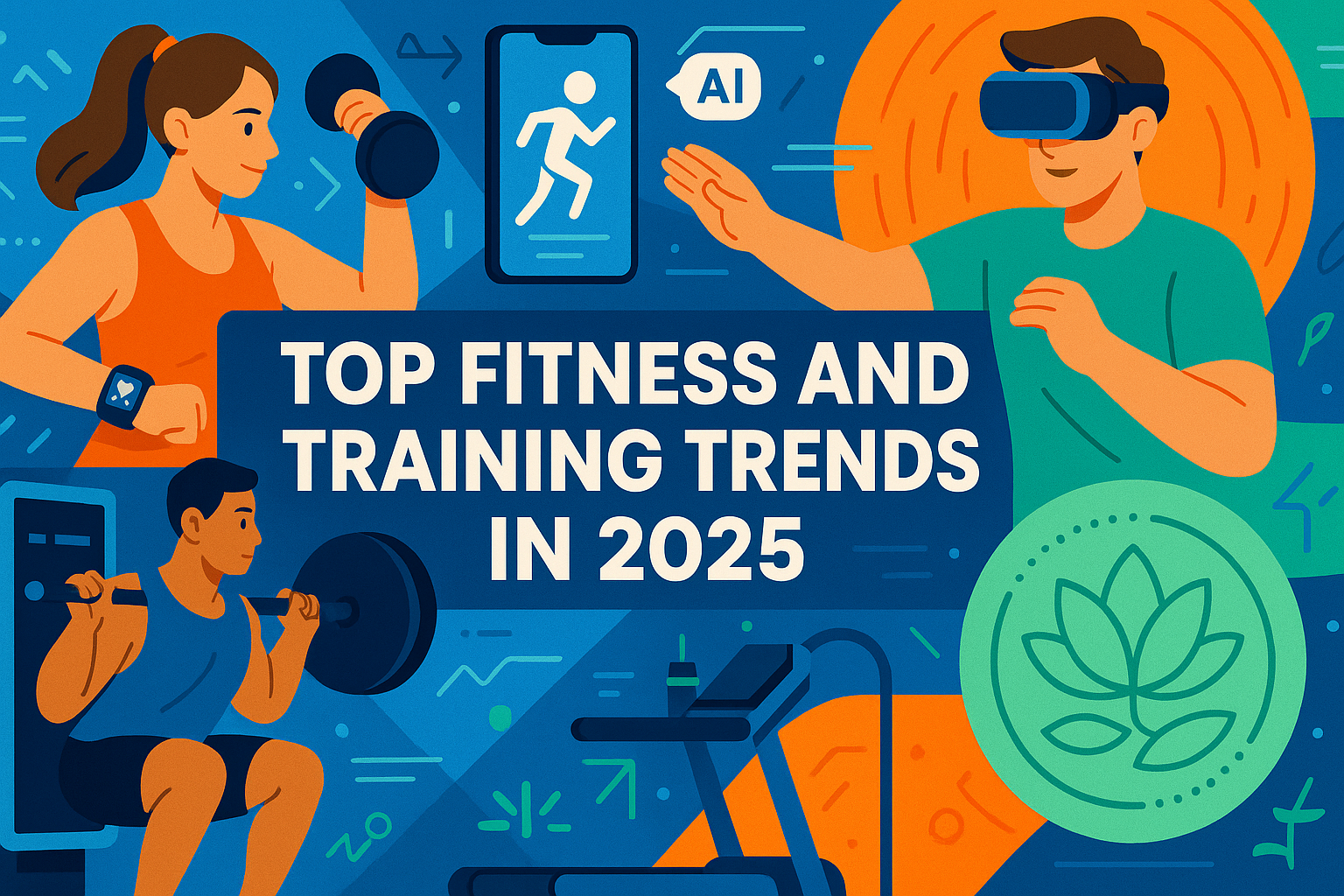
The fitness industry is evolving rapidly, blending technology, wellness, and personalized experiences to create smarter, more engaging training solutions. By 2025, fitness enthusiasts will experience workouts powered by AI, immersive environments, data-driven insights, and holistic approaches to health. From wearable tech to virtual gyms, these innovations are transforming how people stay fit and healthy.
This blog explores the top fitness and training trends in 2025, highlighting how technology, personalization, and community are shaping the future of fitness.
Introduction
Fitness is no longer limited to traditional gyms or generic workout plans. Today’s enthusiasts seek convenience, customization, and results, while staying connected with communities and leveraging technology for guidance and motivation.
As wearable devices, AI-powered training apps, and virtual fitness platforms become mainstream, 2025 promises a dynamic and personalized fitness experience that goes beyond physical activity, integrating mental wellness, nutrition, and recovery.
1. AI-Powered Personal Training
Artificial intelligence is revolutionizing personal fitness:
- Personalized Workouts: AI analyzes user data to create tailored exercise plans.
- Form Correction: Computer vision detects posture and technique errors in real time.
- Progress Tracking: Algorithms track improvements and adjust difficulty for optimal results.
Impact: AI personal trainers provide smart, adaptive, and accessible fitness guidance without the need for a human coach.
2. Virtual and Augmented Reality Workouts
Immersive technologies are redefining the workout experience:
- VR Fitness Games: Turn workouts into interactive challenges and adventures.
- AR Overlay Training: Displays real-time instructions and stats during live exercises.
- Virtual Group Classes: Connect with instructors and peers worldwide in an interactive virtual environment.
Impact: VR and AR make fitness fun, engaging, and socially connected while increasing motivation.
3. Wearable Tech and Smart Devices
Wearables are integral to data-driven training:
- Smart Watches and Fitness Bands: Monitor heart rate, steps, sleep, and calories burned.
- Smart Clothing: Tracks muscle activity and posture for improved performance.
- Connected Equipment: Smart bikes, treadmills, and rowing machines integrate data analytics for personalized training.
Impact: Wearables allow users to monitor, analyze, and improve performance continuously, optimizing results.
4. Holistic Fitness and Wellness
Fitness in 2025 emphasizes mind-body balance:
- Integrated Wellness Plans: Combining exercise, nutrition, and mental health practices.
- Meditation and Recovery: Apps provide guided meditation, breathing exercises, and sleep tracking.
- Functional Training: Focus on movements that enhance everyday life, flexibility, and injury prevention.
Impact: Holistic approaches promote long-term health, balance, and sustainable lifestyle changes.
5. Gamification and Social Motivation
Gamification keeps users engaged and motivated:
- Challenges and Leaderboards: Users compete in friendly challenges to track progress.
- Rewards and Badges: Incentives encourage consistency and goal achievement.
- Community Engagement: Online fitness communities provide support, advice, and camaraderie.
Impact: Gamification fosters accountability, fun, and social interaction in fitness routines.
6. Home Fitness and On-Demand Workouts
The trend toward home workouts and on-demand fitness continues:
- Streaming Platforms: Access live or recorded classes anytime, anywhere.
- Compact Equipment: Space-saving machines and smart devices optimize home gyms.
- Hybrid Fitness Models: Combine in-person and digital classes for flexible schedules.
Impact: Home fitness provides convenience, accessibility, and personalization, appealing to busy lifestyles.
7. Functional and Hybrid Training
Modern fitness blends multiple training methods:
- HIIT + Strength + Yoga: Hybrid workouts combine cardio, strength, flexibility, and mindfulness.
- Wearable Feedback: Devices track metrics across all training modalities for a comprehensive view.
- Adaptive Programs: Personalized routines evolve based on fitness goals and physical condition.
Impact: Functional and hybrid training enhances performance, reduces injury risk, and promotes overall health.
8. Sustainable and Eco-Friendly Fitness
Fitness trends now prioritize sustainability:
- Eco-Friendly Equipment: Machines made from recycled materials and energy-saving features.
- Green Gyms: Facilities powered by renewable energy and environmentally conscious design.
- Outdoor Training: Encouraging workouts in parks, trails, and natural environments.
Impact: Sustainable fitness practices align health goals with environmental responsibility.
9. Nutrition and Recovery Integration
Nutrition and recovery are increasingly integrated into fitness routines:
- AI Nutrition Apps: Suggest meals and supplements based on activity, metabolism, and goals.
- Recovery Tools: Smart massage guns, compression gear, and cryotherapy optimize recovery.
- Biofeedback: Devices monitor fatigue, sleep, and muscle recovery to prevent overtraining.
Impact: Integrated nutrition and recovery maximize performance and ensure longevity in training.
10. Inclusive and Adaptive Fitness
2025 trends embrace diversity and accessibility:
- Adaptive Workouts: Programs tailored for seniors, disabled individuals, or beginners.
- Community Support: Online groups for shared experiences, motivation, and accessibility tips.
- Inclusive Technology: AI and wearables adapt exercises for varying abilities.
Impact: Inclusive fitness ensures everyone can participate, achieve goals, and enjoy a supportive community.
Conclusion
The fitness industry in 2025 is smarter, more personalized, and more inclusive than ever. AI-powered training, immersive VR experiences, wearable tech, and holistic wellness approaches are transforming how people work out, recover, and maintain overall health.
Trends like home fitness, gamification, functional training, and eco-conscious practices reflect a shift toward sustainable, engaging, and adaptive fitness solutions. Whether at home, in a gym, or outdoors, technology and innovation are helping individuals achieve their health goals efficiently and enjoyably.
The future of fitness is not just about working harder—it’s about training smarter, recovering better, and living healthier in a connected, personalized, and inspiring environment.
