
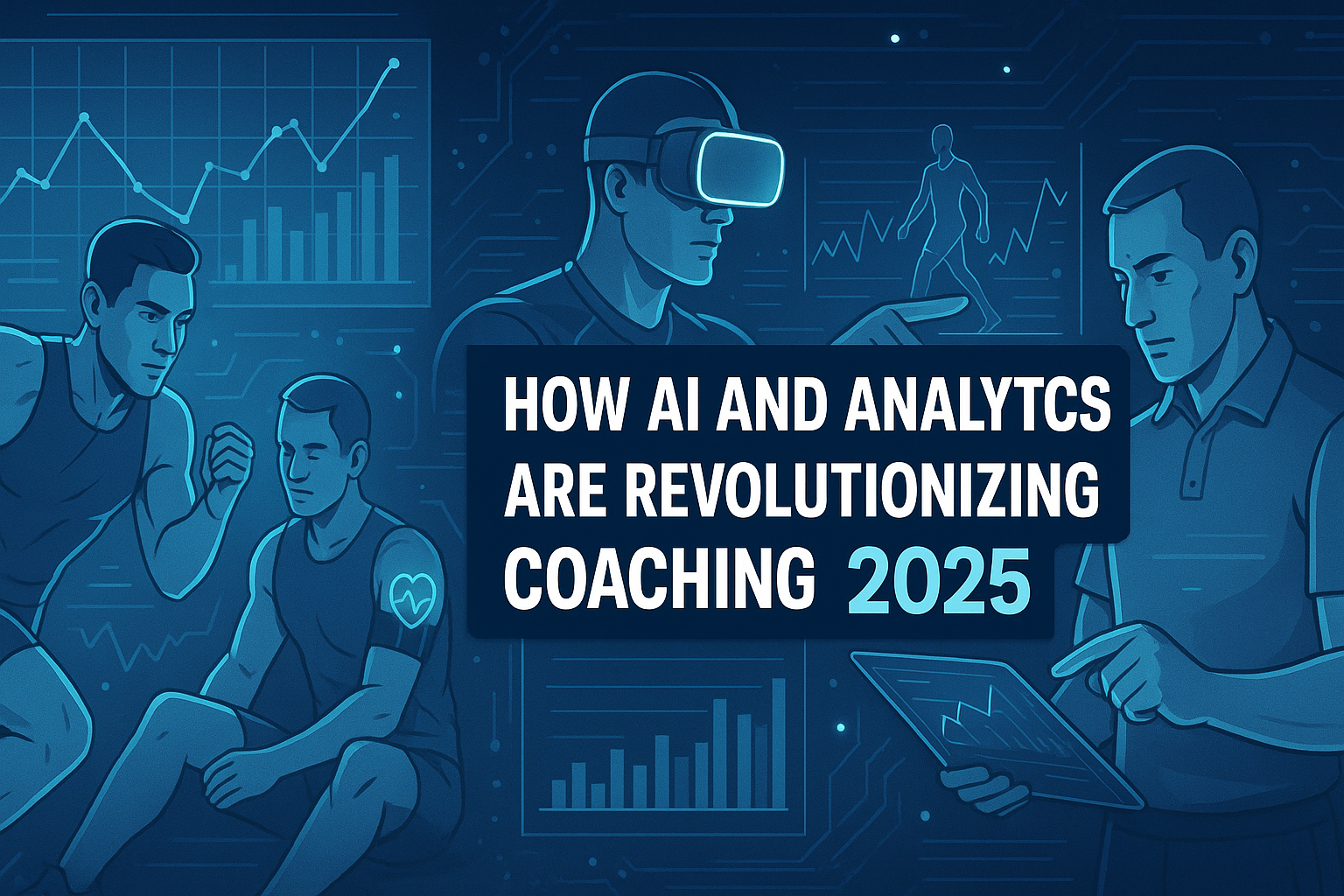
In the world of sports, coaching has evolved far beyond intuition and experience. Today, artificial intelligence (AI) and advanced analytics are transforming how coaches train athletes, strategize games, and optimize performance. By leveraging data-driven insights, teams and individuals can gain a competitive edge, reduce injuries, and make smarter decisions both on and off the field.
In 2025, AI-powered coaching tools are becoming a standard in professional sports, fitness programs, and even youth development. This blog explores how AI and analytics are revolutionizing coaching, the technologies behind this shift, and what the future holds for athletes and trainers.
Introduction
Coaching has traditionally relied on observation, experience, and trial-and-error methods. While these skills remain essential, technology now complements human expertise, offering precision, efficiency, and actionable insights that were once impossible to achieve.
AI and analytics allow coaches to:
- Track athlete performance in real time
- Identify strengths and weaknesses
- Predict injury risks
- Optimize training schedules
- Develop smarter game strategies
This data-driven approach is changing the game, from professional football and basketball to individual fitness training.
1. AI-Powered Performance Tracking
Modern athletes are equipped with devices that monitor everything from heart rate and speed to fatigue and biomechanics:
- Wearable Sensors: Smartwatches, GPS trackers, and motion sensors provide continuous data.
- Performance Dashboards: Centralized platforms visualize stats for coaches and athletes.
- Real-Time Analysis: AI algorithms detect trends, anomalies, and improvement areas.
Impact: Coaches can adjust training in real time, ensuring athletes maintain peak performance while avoiding overtraining.
2. Predictive Analytics in Coaching
AI-driven predictive analytics allows coaches to forecast performance outcomes:
- Injury Prevention: Algorithms analyze stress, load, and movement patterns to predict injuries.
- Performance Forecasting: Predict likely game outcomes or player success based on historical data.
- Player Selection: Identify which athletes are best suited for specific strategies or positions.
Impact: Predictive analytics enables data-informed decisions, reducing risk and enhancing performance.
3. Video Analysis and AI Feedback
Video analysis has become a core part of modern coaching:
- Motion Tracking: AI identifies movement patterns, technique flaws, and positioning errors.
- Opponent Analysis: Studying competitors’ strategies and tendencies using AI-generated insights.
- Automated Highlights: AI extracts key moments from matches to improve review sessions.
Impact: Video analytics allows coaches to offer precise, actionable feedback that accelerates learning and skill development.
4. Personalized Training Programs
AI enables tailored training for each athlete:
- Adaptive Workouts: Programs change based on performance data and recovery rates.
- Nutrition and Recovery Plans: AI tracks calories, hydration, and rest to optimize results.
- Skill Development: Focuses on areas where an athlete shows potential or needs improvement.
Impact: Personalized coaching ensures maximum efficiency and improved results for each athlete.
5. Cognitive and Mental Performance Insights
Coaching is no longer just physical—AI helps improve mental performance:
- Focus and Reaction Analysis: Track concentration, reaction times, and decision-making.
- Stress and Fatigue Monitoring: Detect mental burnout and adapt schedules accordingly.
- Simulation Training: AI-driven VR and AR scenarios improve tactical thinking under pressure.
Impact: Mental insights allow coaches to train athletes holistically, improving both mind and body performance.
6. Team Strategy and Game Planning
Analytics is transforming tactical decision-making:
- Opponent Analysis: AI breaks down tendencies, strengths, and weaknesses of rival teams.
- Formation Optimization: Suggests optimal lineups and substitutions based on statistical modeling.
- In-Game Adjustments: Real-time analytics help coaches modify strategies mid-match.
Impact: Teams can gain a strategic advantage, increasing their chances of victory.
7. Youth Development and Grassroots Coaching
AI isn’t limited to professional sports; it’s reshaping youth training as well:
- Skill Assessment: Identify talent early and track progression.
- Injury Awareness: Teach safe techniques with real-time feedback.
- Customized Coaching Plans: Develop programs that match age, skill level, and growth patterns.
Impact: AI ensures better-trained, safer, and more capable young athletes, creating a stronger pipeline of talent.
8. Fitness and Personal Coaching Applications
Beyond traditional sports, AI-powered coaching apps help individuals improve fitness:
- Smart Home Trainers: AI adjusts workouts based on user performance.
- Virtual Personal Trainers: Provide real-time guidance using cameras and sensors.
- Analytics-Driven Motivation: Track progress and set realistic, measurable goals.
Impact: Fitness enthusiasts receive personalized training and guidance previously only available to professional athletes.
9. Ethical and Privacy Considerations
While AI offers immense benefits, coaches and organizations must navigate:
- Data Privacy: Secure storage of personal and performance data.
- Fair Use: Ensure AI doesn’t create unfair advantages or bias in talent selection.
- Human Oversight: Coaches must interpret AI insights responsibly, maintaining the human touch in decision-making.
Impact: Ethical AI use ensures safety, fairness, and trust in modern coaching practices.
10. The Future of AI in Coaching
The potential of AI in coaching is vast:
- Integration with Wearable Technology: Seamless monitoring and feedback for real-time adjustments.
- AI-Enhanced Recruitment: Identifying hidden talent using advanced performance modeling.
- Virtual Reality Coaching: Immersive simulations for tactical and skill development.
- Global Access: AI tools democratize elite coaching techniques for amateur and remote athletes.
Impact: AI and analytics will continue redefining coaching standards, making sports smarter, safer, and more competitive worldwide.
Conclusion
AI and analytics have revolutionized coaching, transforming how athletes train, recover, and perform. From predictive analytics and personalized training to video analysis and mental performance insights, technology has become an indispensable tool for modern coaches.
In 2025, teams, athletes, and trainers who embrace AI gain strategic, tactical, and developmental advantages, while young athletes and fitness enthusiasts benefit from tailored guidance and safer practices.
The future of coaching is data-driven, adaptive, and personalized, but human intuition and experience remain essential. By combining AI insights with traditional coaching expertise, athletes can achieve unprecedented levels of performance and potential.
Technology isn’t replacing coaches—it’s empowering them to elevate the game like never before.
