
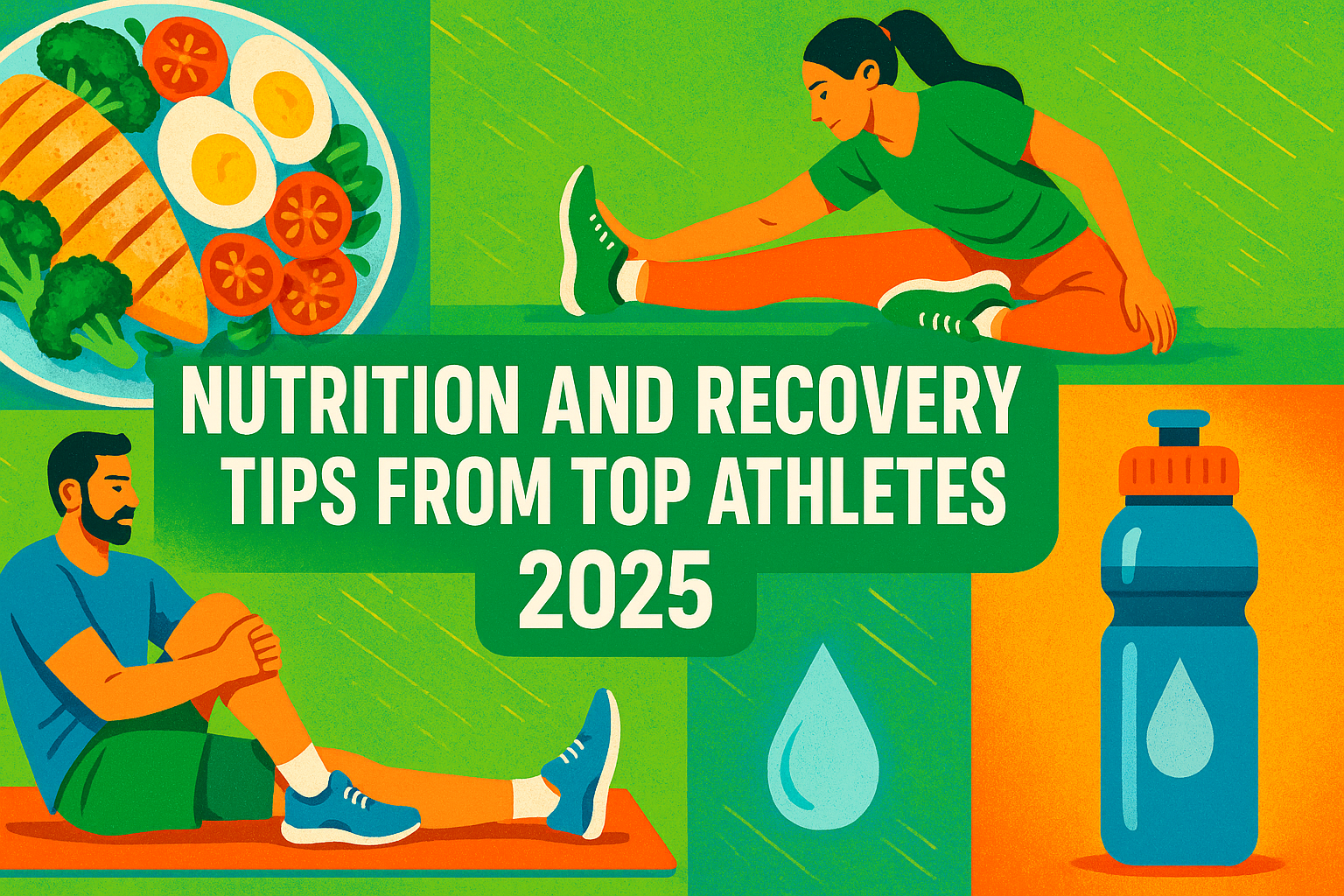
Elite athletes understand that performance isn’t just about training hard—it’s also about nutrition, recovery, and self-care. Proper diet and recovery strategies maximize energy, enhance performance, prevent injuries, and accelerate progress.
In 2025, athletes and fitness enthusiasts alike are leveraging science-backed nutrition and recovery practices to train smarter, recover faster, and stay at the top of their game. This blog shares insider tips from top athletes to help you optimize your own fitness routine.
Introduction
Whether you’re a professional athlete or a weekend warrior, nutrition and recovery are crucial components of success. Fueling your body properly and allowing it to recover effectively ensures that training results in strength, endurance, and overall well-being rather than fatigue and injury.
From macronutrient timing to post-workout recovery strategies, top athletes follow disciplined routines to stay competitive. By learning from their habits, you can improve your own fitness, performance, and resilience.
1. The Importance of Balanced Nutrition
Top athletes focus on well-rounded nutrition:
- Macronutrients: A balance of carbohydrates, proteins, and fats fuels performance.
- Micronutrients: Vitamins and minerals support energy production, immunity, and recovery.
- Hydration: Staying hydrated maintains focus, prevents cramps, and enhances endurance.
Tip: Consult a sports nutritionist or use apps to track nutrient intake and optimize your diet.
Impact: Proper nutrition enhances energy, performance, and long-term health.
2. Pre-Workout Fueling
What athletes eat before training is critical:
- Carbohydrates: Provide immediate energy for high-intensity workouts.
- Moderate Protein: Supports muscle function without feeling heavy.
- Hydration: Drink water or electrolyte beverages to stay energized.
Examples: Oatmeal with fruit, banana with peanut butter, or a smoothie with protein and greens.
Impact: Proper pre-workout nutrition boosts performance and delays fatigue.
3. Post-Workout Recovery Nutrition
Recovery meals are essential to rebuild muscles and replenish energy:
- Protein Intake: Supports muscle repair and growth.
- Carbohydrates: Replenish glycogen stores depleted during exercise.
- Anti-Inflammatory Foods: Omega-3 fatty acids, berries, and leafy greens reduce inflammation.
Tip: Consume recovery meals within 30–60 minutes after training for maximum effectiveness.
Impact: Post-workout nutrition accelerates recovery and prepares the body for the next session.
4. Hydration Strategies
Top athletes monitor fluid intake carefully:
- Water: Base hydration throughout the day.
- Electrolytes: Replace sodium, potassium, and magnesium lost through sweat.
- Timing: Hydrate before, during, and after exercise for optimal performance.
Impact: Proper hydration prevents fatigue, improves focus, and reduces injury risk.
5. Recovery Techniques Athletes Swear By
Recovery is as important as training:
- Sleep: 7–9 hours of quality sleep supports muscle repair and cognitive function.
- Active Recovery: Light activities like walking, swimming, or yoga aid circulation.
- Massage and Foam Rolling: Relieve muscle tension and improve flexibility.
- Cold and Heat Therapy: Ice baths reduce inflammation; heat therapy eases soreness.
Impact: Recovery techniques boost performance, prevent burnout, and enhance overall well-being.
6. Supplements Used by Top Athletes
While whole foods are primary, supplements can support performance:
- Protein Powders: Whey, plant-based, or casein for muscle repair.
- Creatine: Enhances strength and explosive power.
- Omega-3 Fatty Acids: Supports heart and joint health.
- Electrolytes & Hydration Drinks: Maintain fluid balance during intense activity.
Tip: Consult a professional before adding supplements to your routine.
Impact: When used responsibly, supplements fill nutritional gaps and optimize performance.
7. Mental Recovery and Stress Management
Athletes also focus on mental recovery to maintain peak performance:
- Mindfulness and Meditation: Reduce stress and enhance focus.
- Journaling: Track progress, set goals, and reflect on training.
- Digital Detox: Taking breaks from screens improves mental clarity and sleep.
Impact: Mental recovery supports resilience, focus, and overall athletic performance.
8. Nutrition Timing for Maximum Results
Top athletes plan meals and snacks strategically:
- Breakfast: Kickstarts metabolism and fuels morning workouts.
- Pre-Workout Snack: Provides energy and improves endurance.
- Post-Workout Meal: Rebuilds muscles and replenishes glycogen.
- Evening Nutrition: Light, nutrient-rich meals support overnight recovery.
Impact: Proper timing optimizes energy levels, muscle growth, and recovery.
9. Adapting to Individual Needs
Nutrition and recovery are personalized:
- Body Type and Goals: Weight management, muscle gain, or endurance.
- Training Intensity: Higher intensity requires more carbs and protein.
- Allergies and Preferences: Athletes tailor diets to avoid digestive issues and maintain compliance.
Impact: Personalized strategies maximize results while minimizing risks.
10. Lessons for Fitness Enthusiasts
Even non-professional athletes can benefit:
- Focus on whole, nutrient-dense foods.
- Prioritize sleep and active recovery.
- Stay hydrated and time meals around workouts.
- Experiment with safe supplements under guidance.
- Incorporate mental recovery practices.
Impact: Following these athlete-inspired tips enhances energy, prevents injury, and improves overall health.
Conclusion
Top athletes know that performance starts long before training begins—it starts with nutrition, hydration, and recovery. By focusing on balanced meals, proper timing, hydration, recovery techniques, and mental well-being, athletes optimize results while maintaining longevity in their careers.
For fitness enthusiasts in 2025, adopting athlete-inspired nutrition and recovery strategies can transform workouts, accelerate progress, and improve overall health. By fueling your body wisely, recovering effectively, and embracing both physical and mental well-being, you can train smarter, perform better, and feel your best every day.
