
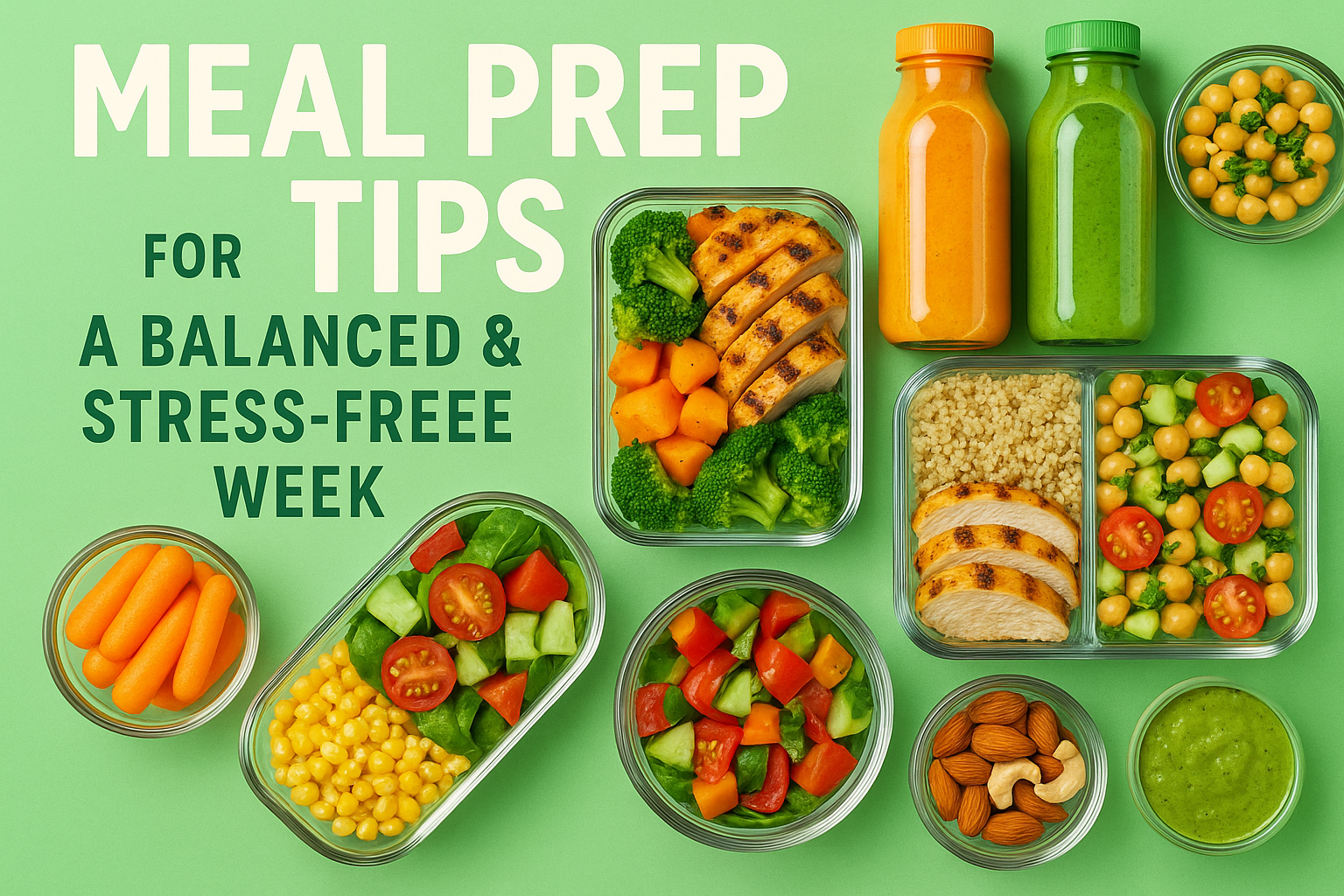
Introduction
In today’s busy world, juggling work, family, and personal commitments often leaves little time to focus on healthy eating. Skipping meals, relying on takeout, or eating processed foods can negatively impact health, energy levels, and productivity. Meal prepping is a powerful strategy to take control of your nutrition, reduce stress, and ensure balanced meals throughout the week.
Meal prep is not just about cooking in bulk—it’s about planning, organizing, and creating meals that meet your nutritional needs while saving time. This blog explores practical tips, strategies, and insights for successful meal prep, helping you achieve a healthier, stress-free week.
1. Plan Ahead
Successful meal prep starts with planning. Begin by:
- Setting aside 30–60 minutes to plan your weekly meals
- Listing breakfast, lunch, dinner, and snacks
- Checking your pantry, fridge, and freezer for ingredients
- Creating a shopping list with quantities to avoid overbuying
A solid plan reduces decision fatigue and ensures variety and balance in your meals.
2. Choose Balanced Meals
A balanced meal includes proteins, healthy fats, complex carbohydrates, and vegetables. Examples include:
- Grilled chicken with quinoa and roasted vegetables
- Lentil curry with brown rice and spinach
- Salmon with sweet potato and steamed broccoli
- Greek yogurt with berries and nuts for breakfast
Focusing on balanced meals ensures you get essential nutrients and sustained energy throughout the day.
3. Batch Cooking
Batch cooking is preparing large quantities of staple foods at once, such as grains, proteins, or roasted vegetables. Store these components in separate containers and mix and match during the week. Examples:
- Cook quinoa, rice, or pasta in bulk
- Roast chicken or tofu for multiple meals
- Prepare a variety of roasted or steamed vegetables
Batch cooking saves time while giving flexibility in meal combinations.
4. Invest in Quality Containers
The right storage containers make meal prep more convenient. Consider:
- Glass containers for durability and safety
- BPA-free plastic containers for lightweight storage
- Stackable, compartmentalized containers for portion control
- Leak-proof containers for soups, salads, or sauces
Labeling containers with dates helps track freshness and reduces waste.
5. Prep Ingredients, Not Just Meals
Sometimes preparing ingredients is more efficient than cooking full meals. Chop vegetables, marinate proteins, or pre-cook grains so that assembling meals is quick. This approach is especially helpful for busy weekdays when cooking from scratch is not feasible.
6. Use Freezer-Friendly Recipes
Freezing meals extends shelf life and allows flexibility. Cook and freeze:
- Soups, stews, and curries
- Casseroles and baked dishes
- Marinated proteins ready to cook
- Smoothie packs with frozen fruits and vegetables
Freezer-friendly meals ensure you always have nutritious options available.
7. Prep Snacks in Advance
Healthy snacks prevent overeating and support energy levels. Prepare snacks like:
- Cut vegetables with hummus
- Mixed nuts and seeds
- Greek yogurt with fruit
- Energy balls or granola bars
Having ready-to-eat snacks reduces temptation to grab unhealthy options.
8. Incorporate Seasonal Produce
Seasonal fruits and vegetables are fresher, more nutritious, and cost-effective. They also add variety to your meals. Planning meals around seasonal produce ensures better flavor and supports sustainable eating practices.
9. Simplify Your Recipes
Meal prep doesn’t need to be complicated. Choose recipes with fewer ingredients and simple cooking techniques. Focus on efficiency without sacrificing nutrition or taste. One-pan meals, sheet-pan dinners, and slow-cooker recipes are ideal for hassle-free prep.
10. Label and Organize
Organization is key for stress-free meal prep. Label containers with the date and meal type to avoid confusion. Store meals in an orderly manner in your fridge and freezer for easy access. Consider grouping breakfast, lunch, dinner, and snacks together for smooth weekday planning.
11. Include Variety to Avoid Boredom
Eating the same meals repeatedly can become monotonous. Plan meals with different proteins, grains, vegetables, and flavors. Use herbs, spices, sauces, and dressings to keep meals interesting while maintaining nutrition.
12. Set Aside a Meal Prep Day
Dedicating a day for meal prep, such as Sunday, streamlines the process. Use this time to:
- Cook staples in bulk
- Chop vegetables
- Portion meals into containers
- Freeze or refrigerate for the week ahead
Consistency in meal prep days makes it a routine rather than a chore.
13. Use Efficient Cooking Tools
Certain tools make meal prep faster and easier:
- Slow cookers and instant pots for hands-off cooking
- Air fryers for quick roasting and reheating
- Food processors for chopping and blending
- Mandolines for uniform slicing
Efficient tools reduce prep time while enhancing convenience.
14. Keep a Pantry Stocked
A well-stocked pantry supports quick and balanced meals. Essentials include:
- Grains like rice, quinoa, oats, and pasta
- Canned beans, tomatoes, and vegetables
- Healthy oils like olive or avocado oil
- Nuts, seeds, and dried fruits
- Herbs, spices, and sauces
Having these basics allows flexible and nutritious meal preparation anytime.
15. Focus on Portion Control
Portion control prevents overeating and maintains balanced nutrition. Use compartmentalized containers, measure ingredients, or follow standard serving sizes. Proper portioning also helps with weight management and reduces food waste.
16. Prep Breakfasts for Busy Mornings
Breakfast is often skipped when mornings are rushed. Prepping easy breakfast options ensures a healthy start:
- Overnight oats with fruit and nuts
- Smoothie packs ready to blend
- Egg muffins or frittatas
- Greek yogurt parfaits
Pre-prepared breakfasts save time and provide energy for a productive day.
17. Keep Hydration in Mind
Include hydration strategies in your meal prep routine. Prepare infused water, iced teas, or electrolyte drinks in advance. Staying hydrated supports digestion, energy, and overall wellness.
18. Plan for Leftovers
Leftovers can be transformed into new meals. Use cooked vegetables, grains, or proteins in salads, wraps, or stir-fries. This reduces waste, saves money, and minimizes the need for additional cooking.
19. Track Your Meal Prep Success
Keep a journal or use apps to track meal prep efforts. Note what worked, what didn’t, and adjust recipes or portions accordingly. Tracking success improves efficiency and ensures meals meet your nutritional goals.
20. Conclusion
Meal prepping is a powerful tool for achieving a balanced, stress-free week. By planning ahead, choosing nutritious meals, and organizing efficiently, you can save time, reduce stress, and maintain a healthy lifestyle. Remember, meal prep doesn’t need to be perfect—consistency, variety, and simplicity are key. With these strategies, you can enjoy flavorful, balanced meals every day, leaving more time and energy for the things that matter most.
A well-executed meal prep routine not only improves your physical health but also enhances your mental well-being, productivity, and overall quality of life.
