
Introduction
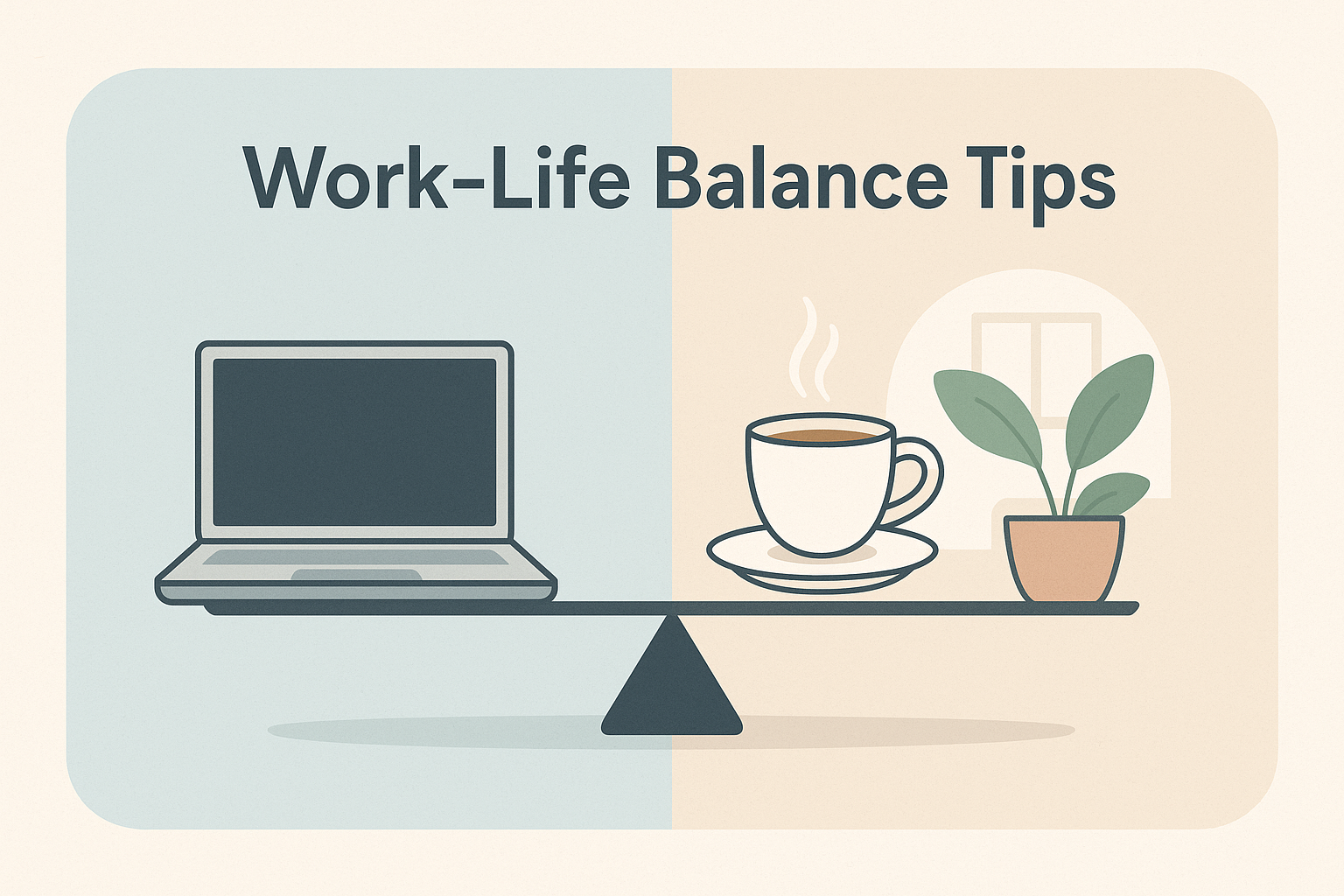
In today’s fast-paced world, finding a healthy work-life balance has become one of the biggest challenges for busy professionals. With deadlines, long meetings, multitasking, and personal responsibilities all competing for attention, it’s easy to feel overwhelmed and burned out. Many people struggle to switch off from work even after office hours, especially with the rise of remote work. However, maintaining balance is not just important—it’s essential for mental health, productivity, happiness, and long-term success. This blog explores practical, simple, and effective work-life balance tips that busy professionals can start using today to lead a more fulfilling and stress-free life.
Why Work-Life Balance Matters
Work-life balance isn’t just about splitting time evenly between work and personal life. It’s about creating harmony between your professional commitments and your personal well-being. Without balance, stress builds up, productivity drops, and relationships suffer. On the other hand, when you feel balanced, you experience:
- Higher energy levels
- Better focus at work
- Improved mental health
- Stronger relationships
- Increased job satisfaction
- More motivation and creativity
A balanced lifestyle helps you perform better in every area of life—not just your job.
1. Set Clear Boundaries Between Work and Personal Life
One of the biggest reasons people feel overwhelmed is the lack of boundaries. With remote work, the lines between personal time and work time have become increasingly blurred. Set specific work hours and stick to them. When your workday ends, shut down your laptop, silence work notifications, and mentally disconnect from job-related tasks. Communicate your availability to colleagues so they understand your schedule. Boundaries help protect your mental space and prevent burnout.
2. Prioritize Tasks Using the 80/20 Rule
The 80/20 principle (Pareto Principle) suggests that 80% of your results often come from 20% of your efforts. Identify the most important tasks that make the biggest impact on your goals, and focus on those first. Avoid spending too much time on small tasks that don’t contribute significantly. When you prioritize smartly, you work more efficiently and free up more time for personal life.
3. Learn to Say No When Necessary
Saying yes to everything—extra tasks, meetings, or commitments—can quickly lead to stress and exhaustion. It’s okay to decline responsibilities that don’t align with your goals or overwhelm your schedule. Politely saying no protects your time and helps you focus on what truly matters. Healthy boundaries create a healthier lifestyle.
4. Use Time-Blocking to Structure Your Day
Time-blocking is one of the most powerful productivity techniques. Assign specific blocks of time to different tasks—emails, meetings, focused work, breaks, and personal commitments. This prevents multitasking and improves concentration. Time-blocking also ensures that you make time for both work and personal activities, keeping your schedule balanced and predictable.
5. Take Regular Breaks to Prevent Burnout
Working long hours without breaks drains your energy and reduces your productivity. Short breaks every 60–90 minutes help reset your mind and body. Step away from your screen, stretch, walk, or drink water. Breaks improve focus, creativity, and consistency. Remember, rest is not a waste of time; it’s an investment in better performance.
6. Design a Healthy Morning Routine
Your morning routine sets the tone for the entire day. Instead of rushing into emails or tasks the moment you wake up, create a calm and intentional routine. This could include light exercise, stretching, meditation, a healthy breakfast, or journaling. A strong morning routine boosts your energy, mood, and mindset, helping you stay balanced throughout the day.
7. Unplug from Technology During Personal Time
Technology keeps us connected at all times—with both benefits and drawbacks. To maintain balance, it’s important to unplug regularly. Avoid checking work emails or messages during personal hours. Set tech-free times, like during meals, before bed, or while spending time with family. Disconnecting from screens allows you to reconnect with yourself and your loved ones.
8. Make Time for Hobbies and Activities You Enjoy
A fulfilling life requires fun, relaxation, and creativity. Whether it’s painting, reading, cooking, traveling, sports, or gaming, hobbies help reduce stress and boost happiness. Schedule time for activities you love, just like you schedule meetings. It keeps your mind refreshed and your life more meaningful outside of work.
9. Practice Mindfulness and Stress Management
Mindfulness helps you stay grounded and reduces the chaos of daily life. Techniques like meditation, breathing exercises, journaling, or yoga can significantly reduce stress. Even 5 minutes a day can calm your mind and improve focus. Practicing mindfulness creates emotional balance, which is essential for maintaining overall work-life harmony.
10. Maintain a Healthy Lifestyle
Physical health plays a major role in mental well-being. Regular exercise, balanced meals, and proper sleep improve your mood, energy, and productivity. Make small steps like taking daily walks, choosing healthier snacks, or staying hydrated. Healthy habits support both personal happiness and professional success.
11. Delegate and Ask for Help When Needed
You don’t have to do everything yourself. Whether at work or home, delegating tasks can lighten your load and reduce stress. Ask family members to share household tasks, or collaborate with coworkers to manage projects more efficiently. Delegation isn’t a sign of weakness—it’s smart time management.
12. Create a Dedicated Workspace
If you work from home, your environment influences your productivity and well-being. Create a workspace that is clean, organized, well-lit, and separate from your relaxing areas. A dedicated workspace helps your mind switch into “work mode” and prevents work from invading your personal space. This separation is key to achieving balance.
13. Plan Vacations and Take Time Off
Breaks aren’t rewards—they’re necessities. Make it a habit to plan short breaks, weekend getaways, or yearly vacations. Time off helps reset your mind and gives you energy to return to work with fresh perspective. Even taking mental health days when needed can make a huge difference.
14. Communicate Openly About Your Needs
Healthy communication is essential for balance. If you feel overwhelmed at work, talk to your manager about workloads or deadlines. At home, communicate your schedule with family so they understand your boundaries. Open communication reduces misunderstandings and creates a more supportive environment.
15. Reflect and Adjust Regularly
Work-life balance is not a one-time process—it’s a continuous effort. Take time weekly or monthly to evaluate what’s working and what needs improvement. Adjust your routines, habits, and boundaries based on your evolving lifestyle. The goal is progress, not perfection.
Conclusion
Achieving work-life balance may seem challenging, but with conscious effort and the right strategies, it is absolutely possible. By setting boundaries, managing time wisely, prioritizing health, and nurturing personal relationships, busy professionals can enjoy a fulfilling life both inside and outside of work. Balance is not about having equal time for everything—it’s about making space for what matters most. Start with small changes and stay consistent. Over time, these habits will create a happier, healthier, and more balanced life.
